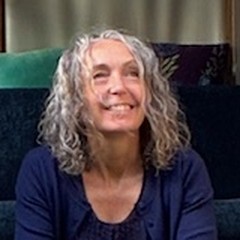
At Nature’s Qi Health in Forres, Moray, I offer acupuncture within a traditional East Asian approach to whole-person wellbeing. My interest is in the relationship between our physical experiences, emotions, surroundings and the way we live. Each appointment begins with listening, and treatment is guided by your individual circumstances and responses.
People often ask whether acupuncture can help with stress or anxiety. Acupuncture may offer an opportunity for relaxation and a greater sense of wellbeing, although the evidence is currently insufficient to establish it as an effective treatment for anxiety disorders. Understanding that distinction helps you make an informed choice about your care.
When life asks more of us than usual
Our capacity to respond to life changes from day to day. There are times when we feel energetic, creative and engaged. At other times, even familiar responsibilities can seem more demanding. You might notice that you have less patience than usual, that your thoughts are occupied with tomorrow’s responsibilities, or that you are finding it difficult to settle into the things you ordinarily enjoy.
Stress can also have physical expressions. Changes in appetite, sleep, muscle tension and digestion are among the experiences people sometimes notice during stressful periods. These experiences deserve attention, particularly when they persist or begin to interfere with daily life. They can also have medical causes that require assessment.
In my practice, I am interested in the whole picture. What is happening in your life? How are you responding? What helps you feel more settled? What seems to demand the greatest amount of your energy? These questions are part of understanding your individual experience.
We each have our own history, circumstances and ways of responding to change. The same situation may affect two people very differently. That individuality is at the heart of traditional East Asian medicine.
The connection between body, emotions and our environment
In East Asian medicine, physical and emotional experiences are considered together. The traditional understanding of health encompasses our bodies, thoughts, emotions, environment, food, movement and the natural rhythms of life. This relationship is described through concepts such as Yin and Yang, the Five Phases or Elements, and the movement of Qi.
Qi, pronounced chee, is often translated as vital energy or life force. Within classical East Asian medicine, it describes aspects of movement, transformation and the dynamic relationships that sustain life. Qi is a traditional philosophical and medical concept rather than a scientifically established physical energy or anatomical system.
For me, it offers a way of considering how different aspects of our lives relate to one another.
What does free-flowing Qi mean?
An expression I particularly value is Xiao Yao, often translated as free flow. It evokes the possibility of moving through life with greater ease and adaptability. Think of a river travelling through the landscape. Its course changes with the terrain, the seasons and the amount of water it carries. Movement is part of its nature.
Traditional East Asian medicine uses the idea of harmonious movement to describe wellbeing. Within this framework, physical sensations, emotions and everyday experiences are considered in relation to one another. A practitioner looks for patterns and changes rather than viewing every experience separately.
The language is different from modern biomedical explanations, but the attention given to context and individual experience remains valuable to my approach.
The Five Phases and emotional life
The Five Phases of Wood, Fire, Earth, Metal and Water are a traditional framework for understanding relationships and change. Each phase is associated with particular qualities, seasons, organ systems and emotional experiences. For example, Wood is traditionally associated with spring, growth, direction and anger. Earth is associated with nourishment, reflection and worry.
These associations are symbolic elements of East Asian medical theory. They do not mean that an emotion identifies a diseased organ, or that acupuncture can correct a psychological condition by treating an associated meridian. They invite us to consider emotional experiences as part of the wider story of our lives.
An emotion may be appropriate to a situation. Frustration, sadness, fear and joy all have their place. The question is how we experience them, how they influence our choices, and what support we may need.
Can acupuncture help with stress and anxiety?
Some people describe acupuncture appointments as relaxing and find the experience a welcome opportunity to focus on their wellbeing. Research has also investigated whether acupuncture may influence anxiety symptoms. Some clinical studies and reviews have reported encouraging findings, but the quality and consistency of the evidence remain limitations.

A systematic review and meta-analysis published in the Journal of Clinical Psychology in 2026 examined 20 randomised controlled trials involving 1,462 participants. It reported reductions in anxiety scores in the groups receiving manual acupuncture compared with certain control groups. However, there was considerable variation between the studies, including substantial statistical heterogeneity.
These findings warrant further investigation. They do not establish that acupuncture reliably treats anxiety disorders, and more rigorous research is needed to determine its effectiveness, safety and place in clinical care. In the UK, the Advertising Standards Authority requires robust evidence for claims that acupuncture treats particular health conditions. Its guidance does not currently accept general claims that acupuncture treats anxiety.
Descriptions of the experience of relaxation and general wellbeing are treated differently from medical treatment claims. You can read the ASA’s guidance on acupuncture and the 2026 systematic review on PubMed.
Stress and anxiety are different experiences
Everyday stress is a response to demands or pressures. It may be temporary, although ongoing stress can have significant consequences for health. Anxiety can refer to feelings of apprehension or worry, but it can also describe a medical condition requiring professional assessment and treatment.
If you experience persistent anxiety, panic attacks, significant sleep disturbance or symptoms affecting your ability to function, please speak with your GP or another appropriately qualified healthcare professional. Acupuncture should never delay access to medical or psychological care.
My approach to emotional wellbeing at Nature’s Qi Health
Each of us has a unique pattern of experiences, circumstances and responses. That is where we begin. During an appointment, we may talk about your physical health, emotional wellbeing, work, relationships, exercise, food, sleep, medication and relevant health history.
Everything shared is treated confidentially and without judgement. Some people arrive with a clear idea of what they would like to explore. Others need a little time to put their experiences into words. Both are welcome.
I am interested in what you notice about yourself. A particular situation might change how you feel physically. Some activities may leave you refreshed while others take more out of you. Your relationship with rest, food or movement may have shifted.
Your observations help guide our conversation and the decisions we make together.
A treatment that responds to you
Traditional acupuncture involves placing very fine, sterile, single-use needles at selected points. The points are chosen according to the practitioner’s assessment and the traditional system being used. I work with several approaches, including traditional Chinese acupuncture and Saam Korean acupuncture.
Saam is a Korean system that commonly uses four carefully selected points. The care that goes into choosing those points is a big part of why I love it. You can read more about Saam Korean acupuncture and my approach to the four-needle method.
Depending on your needs and preferences, I may also discuss acupressure, tuning forks, auricular acupressure or other complementary techniques. These methods have different evidence bases, and their inclusion in a traditional treatment does not establish effectiveness for anxiety or other medical conditions.
We consider what is appropriate for you, explain the options, and continually reassess.
Listening to your response
Acupuncture is often described as subtle. During treatment, you may experience a gentle tingling, warmth, heaviness or another sensation at an acupuncture point. Some people notice very little. In traditional practice, a particular needle sensation is called De Qi.
I encourage you to tell me what you experience. Your comfort matters, and treatment can be adjusted or stopped whenever necessary. There is no need to achieve a particular sensation or emotional response. We work with what is present.
The relationship between stress, sleep and physical comfort
People sometimes arrive at an acupuncture appointment with several concerns that seem to be connected. They may have noticed changes in sleep during a demanding period, or that physical discomfort affects their ability to rest. Stress can influence sleep and muscle tension, while persistent pain or inadequate sleep may add to the demands of daily life.

These relationships are recognised within conventional healthcare as well as being considered in traditional East Asian medicine. However, their causes vary, and a symptom should never automatically be attributed to stress. If you are experiencing persistent insomnia, unexplained pain, fatigue or other ongoing symptoms, medical assessment may be appropriate.
My approach includes taking time to understand these experiences and discussing where acupuncture or another form of support may fit into your overall care. For those interested in physical discomfort, I have written more about acupuncture for chronic pain and the current research.
Life transitions and emotional wellbeing
Our emotional lives are influenced by the changes we experience. A new job, retirement, becoming a parent, caring for family members, bereavement or moving to a different stage of life can all alter familiar routines. Hormonal transitions, including perimenopause and menopause, may also coincide with changes in sleep, mood and daily wellbeing.
I have a particular interest in the ways physical and emotional experiences come together during these periods. My article on acupuncture, menopause and women’s health explores the traditional approach alongside the available scientific evidence.
Yang Sheng: Nourishing life in everyday ways
One of the classical ideas I return to is Yang Sheng, meaning Nourishment of Life. It is concerned with how we care for ourselves through our everyday habits and our relationship with nature. The concept encompasses food, movement, rest, the seasons, emotional life and the choices we make.
For me, it is a reminder to remain attentive to what sustains us.
Living with the seasons
Here in Moray, the changing seasons are impossible to ignore.
The long light of summer gives way to shorter autumn days. Winter has its own pace, and spring brings a sense of renewed movement. Traditional East Asian philosophy considers human life in relationship with these natural cycles. You do not need to follow a particular philosophy to appreciate the value of spending time outdoors, noticing seasonal changes or finding activities that bring enjoyment.
Walking through woodland, tending a garden, moving in ways you enjoy or taking time to appreciate the landscape can become meaningful parts of everyday life. For me, running outdoors and being close to nature are important personal practices.
Nourishment and daily rhythms
Yang Sheng also invites us to consider our relationship with food. Are meals regular or hurried? Do we enjoy preparing and eating food? Have our routines changed? Traditional food energetics considers foods through qualities such as warming, cooling and seasonal suitability.
These are traditional classifications and should be distinguished from modern nutritional science. Good nutrition is individual, particularly where medical conditions, food intolerances or specific dietary requirements are involved.
I am interested in helping people become more aware of their everyday patterns and make informed choices that fit their circumstances.
Making room for change
Our needs evolve. Something that suited us several years ago may be less appropriate today. A familiar routine may need to change when work, family life or physical circumstances change. There is value in recognising this. Traditional East Asian medicine places considerable importance on adaptation and the continual movement between different states.
The phrase Xiao Yao, free flow, sums it up well for me. We can learn to respond to change with greater awareness, drawing on appropriate support and the resources available to us.
What to expect from an acupuncture appointment for general wellbeing
If you are considering acupuncture in Forres, your first appointment begins with a discussion of your health and what you would like from the experience. A standard appointment at Nature’s Qi Health lasts approximately one hour and costs £70.
We discuss your relevant health history, any medications or ongoing treatment, and your questions about acupuncture. I explain the techniques I am considering and what you may experience. Acupuncture needles are very fine, although individual sensations vary. Minor bleeding, bruising or temporary soreness can occur, and serious complications are rare but possible.
Please tell me about pregnancy, bleeding disorders, anticoagulant medication, significant medical conditions or other circumstances that may affect treatment safety. You remain involved in every decision. There is also time to discuss whether further appointments would be appropriate, and whether another healthcare professional should be involved.
For a detailed explanation, see What Happens at Your First Acupuncture Appointment in Forres. You can also explore my main guide to acupuncture in Forres and Moray, including my training, treatment approaches and practical clinic information.